

|
여행포토
|
|
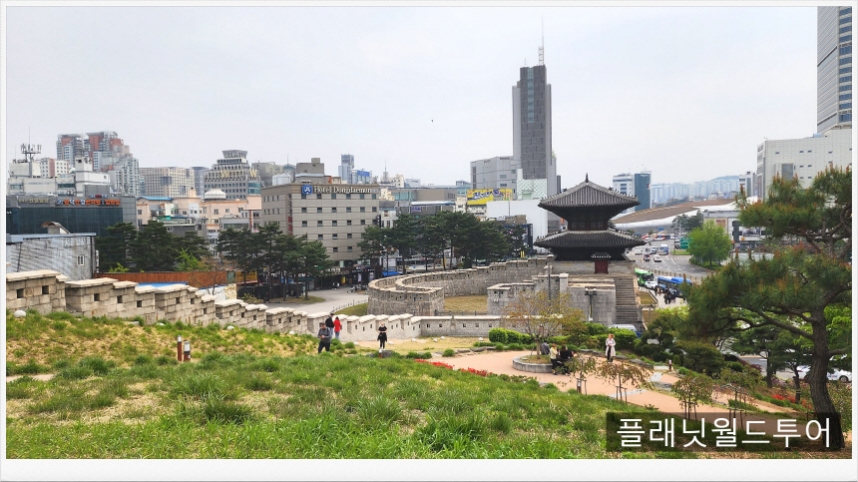
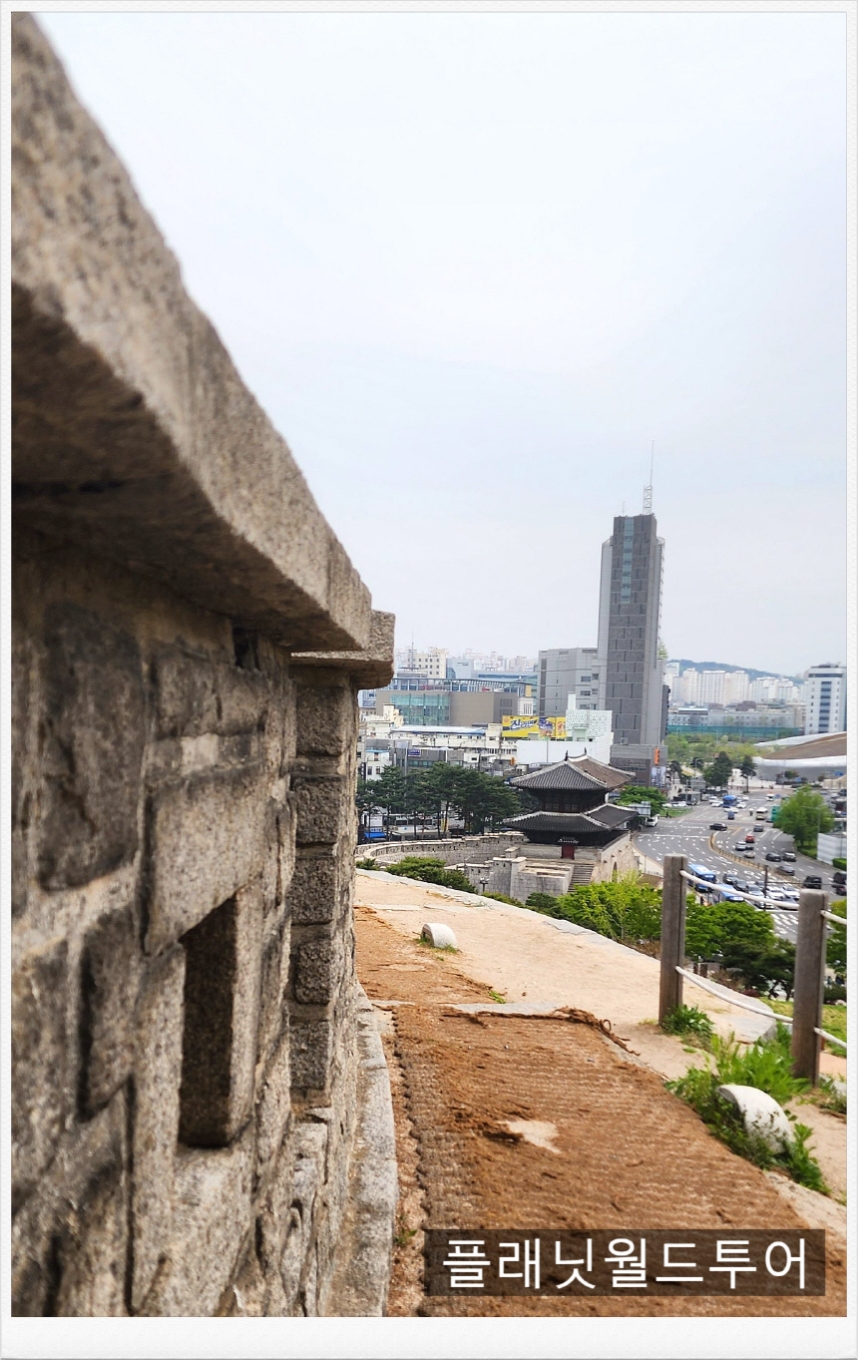
[기타지역] 대한민국 서울특별시, 종로구 낙산 한양도성, Naksan The Hanyangdoseong
작성자 : 한재철
작성일 : 2025-11-16
조회 : 42


.jpg)
.jpg)
.jpg)
.jpg)
.jpg)
.jpg)
.jpg)

.jpg)

.jpg)
.jpg)
.jpg)
.jpg)

.jpg)
.jpg)
.jpg)
.jpg)
.jpg)
.jpg)
.jpg)
.jpg)
북악–낙산–남산–인왕산으로 이어지는 한양도성의 청룡을 상징하는 동쪽 수호산 낙산을 타고 축성한 구간이다. 오래전에 낙산의 중턱 보허사라는 절이 있었고, 이 절에는 나라의 기운을 상징하는 낙산부도가 있었다고 전해진다. “보허사가 굳건하면 나라가 평안하고, 절이 위태론하면 국운이 흔들린다.”는 전설이 있으면 임진왜란과 병자호란으로 보허사가 훼손되며 백성들이 큰 국난을 격었다. 일제강점기 페사되었다. 낙산의 명칭은 낙타의 등처럼 단단한 모습이라고 해서 붙은 이름이라는 전설이 있다. 선녀가 내려온 산, 도깨비가 출몰하는 전설도 내려온다.
This section of the Hanyangdoseong (Seoul City Wall) was built along Naksan, the eastern guardian mountain symbolizing the Blue Dragon, and is part of the mountain range that continues from Bukaksan through Naksan and Namsan to Inwangsan. Long ago, a temple called Boheosa stood on the mid-slope of Naksan, and it is said that the temple housed the Naksan Stupa, which symbolized the nation’s spiritual energy. According to legend, “When Boheosa stands firm, the nation remains at peace, but when the temple becomes unstable, the fortunes of the kingdom falter.” During the Japanese invasions of 1592 and the Manchu invasion of 1636, Boheosa was damaged, and the people suffered great national calamities. The temple was later abolished during the Japanese colonial period.
There is also a legend that the name Naksan(“Camel Mountain”) comes from its solid shape resembling the back of a camel. Other tales describe it as a mountain where celestial maidens descended and where goblins were said to appear.
This section of the Hanyangdoseong (Seoul City Wall) was built along Naksan, the eastern guardian mountain symbolizing the Blue Dragon, and is part of the mountain range that continues from Bukaksan through Naksan and Namsan to Inwangsan. Long ago, a temple called Boheosa stood on the mid-slope of Naksan, and it is said that the temple housed the Naksan Stupa, which symbolized the nation’s spiritual energy. According to legend, “When Boheosa stands firm, the nation remains at peace, but when the temple becomes unstable, the fortunes of the kingdom falter.” During the Japanese invasions of 1592 and the Manchu invasion of 1636, Boheosa was damaged, and the people suffered great national calamities. The temple was later abolished during the Japanese colonial period.
There is also a legend that the name Naksan(“Camel Mountain”) comes from its solid shape resembling the back of a camel. Other tales describe it as a mountain where celestial maidens descended and where goblins were said to appear.
|