

|
여행포토
|
|
[기타지역] 대한민국 서울특별시, 종로구 청와대 Cheong Wa Dae(the Blue House )
작성자 : 한재철
작성일 : 2025-11-18
조회 : 63

.jpg)
.jpg)
.jpg)
.jpg)
.jpg)
.jpg)
.jpg)
.jpg)
.jpg)

.jpg)
.jpg)
.jpg)
.jpg)
.jpg)
.jpg)
.jpg)
.jpg)
.jpg)
.jpg)
.jpg)
.jpg)
.jpg)
.jpg)
.jpg)
.jpg)
.jpg)
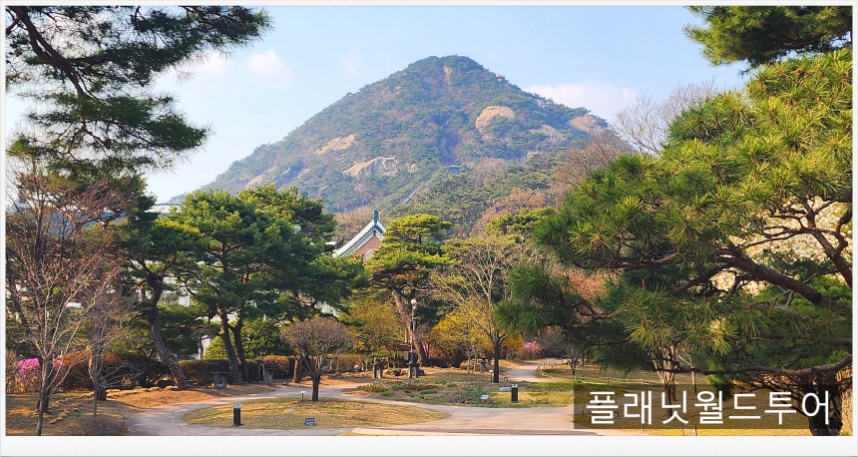
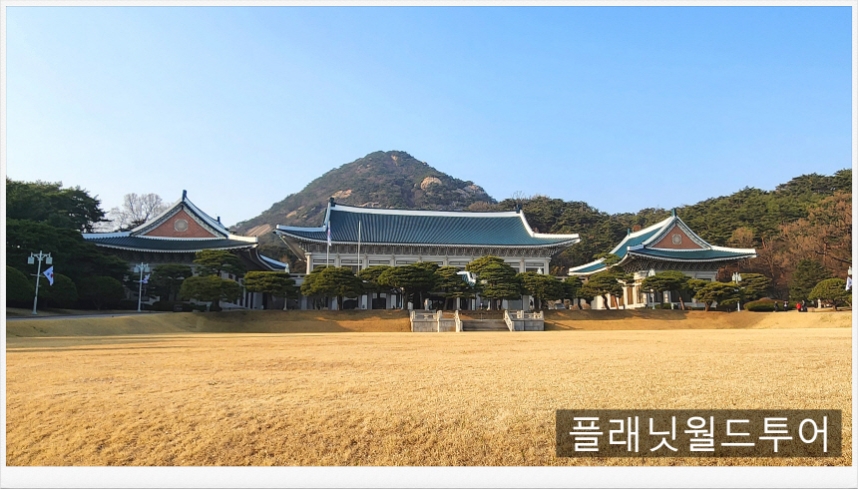
청와대 부지는 조선 경복궁 후원(後苑)의 영역으로 조선시대 문과, 무과를 치르거나 무술 훈련을 하는 장소로 활용된 연무장, 융무당, 경농재 등이 있었다. 유교가 통치이념 이었으나 왕실 여성들에게 북악산이 가지는 풍수지리적 신령스런 의미로 왕실 여성들은 경복궁 후원과 북악 일대 사찰에서 기도·불공을 드린 기록이 다수 남아 있다. 일제강점기 1937년부터 2층 규모 총독관저 공사를 시작해 1939년 완공하며 1945년 까지 한반도를 지배 총본부였다. 1948년 대한민국 정부 수립 후 경무대(景武臺)라는 이름으로 대통령 관저겸 집무실이 되었다. 1960년 경무대(景武臺)에서 청와대(靑瓦臺)로의 공식 명칭을 변경되었다. 민족 정기의 회복 차원에서 구 일본총독 관저 건물은 1993년에 철거하고, 원래 지형을 복원했다. 현재 청와대 단지는 본관, 대통령 관저, 영빈관, 춘추관, 행정동 등 여러 건물로 구성되어 있으며, 약 250,000㎡ (약 62에이커)의 면적을 차지하고 있다. 2022년 5월 10일부터 청와대는 정식 대통령 집무 공간 역할을 마치고 공원 및 문화공간으로 개방되었으나 2025년 8월 새정부가 다시 대통령 집무 공간으로 사용 계획을 밝히며 일반인 개방 및 관람이 중단되었다.
The site of the Blue House (Cheong Wa Dae) was originally part of the rear garden of Gyeongbokgung Palace during the Joseon Dynasty. The area contained facilities such as the Yeonmujang, Yungmudang, and Gyeongnongjae, which were used for administering the civil and military service examinations as well as for martial arts training.
Although Confucianism served as the state ideology, many historical records show that royal women offered prayers and Buddhist rites within the rear garden of Gyeongbokgung and at temples around Mt. Bugaksan, a site believed to hold sacred geomantic significance.
During the Japanese colonial period, construction of a two-story residence for the Governor-General began in 1937 and was completed in 1939. Until 1945, it functioned as the command headquarters that oversaw the occupation of Korea.
After the establishment of the Republic of Korea in 1948, the site became the presidential residence and office under the name Gyeongmudae. In 1960, the official name was changed from Gyeongmudae (景武臺) to Cheong Wa Dae (靑瓦臺).As part of efforts to restore national dignity, the former Governor-General’s residence was demolished in 1993, and the original terrain was restored.
Today, the Blue House complex consists of several buildings, including the Main Office Building, the Presidential Residence, the State Guest House (Yeongbingwan), the Chunchugwan Press Hall, and the Administrative Annex, covering an area of approximately 250,000 square meters (about 62 acres).
Cheong Wa Dae ended its role as the official presidential workplace on May 10, 2022, and was opened to the public as a park and cultural venue. However, with the new administration announcing plans to resume its use as the presidential office in August 2025, public access and tours have since been suspended.
The site of the Blue House (Cheong Wa Dae) was originally part of the rear garden of Gyeongbokgung Palace during the Joseon Dynasty. The area contained facilities such as the Yeonmujang, Yungmudang, and Gyeongnongjae, which were used for administering the civil and military service examinations as well as for martial arts training.
Although Confucianism served as the state ideology, many historical records show that royal women offered prayers and Buddhist rites within the rear garden of Gyeongbokgung and at temples around Mt. Bugaksan, a site believed to hold sacred geomantic significance.
During the Japanese colonial period, construction of a two-story residence for the Governor-General began in 1937 and was completed in 1939. Until 1945, it functioned as the command headquarters that oversaw the occupation of Korea.
After the establishment of the Republic of Korea in 1948, the site became the presidential residence and office under the name Gyeongmudae. In 1960, the official name was changed from Gyeongmudae (景武臺) to Cheong Wa Dae (靑瓦臺).As part of efforts to restore national dignity, the former Governor-General’s residence was demolished in 1993, and the original terrain was restored.
Today, the Blue House complex consists of several buildings, including the Main Office Building, the Presidential Residence, the State Guest House (Yeongbingwan), the Chunchugwan Press Hall, and the Administrative Annex, covering an area of approximately 250,000 square meters (about 62 acres).
Cheong Wa Dae ended its role as the official presidential workplace on May 10, 2022, and was opened to the public as a park and cultural venue. However, with the new administration announcing plans to resume its use as the presidential office in August 2025, public access and tours have since been suspended.
|